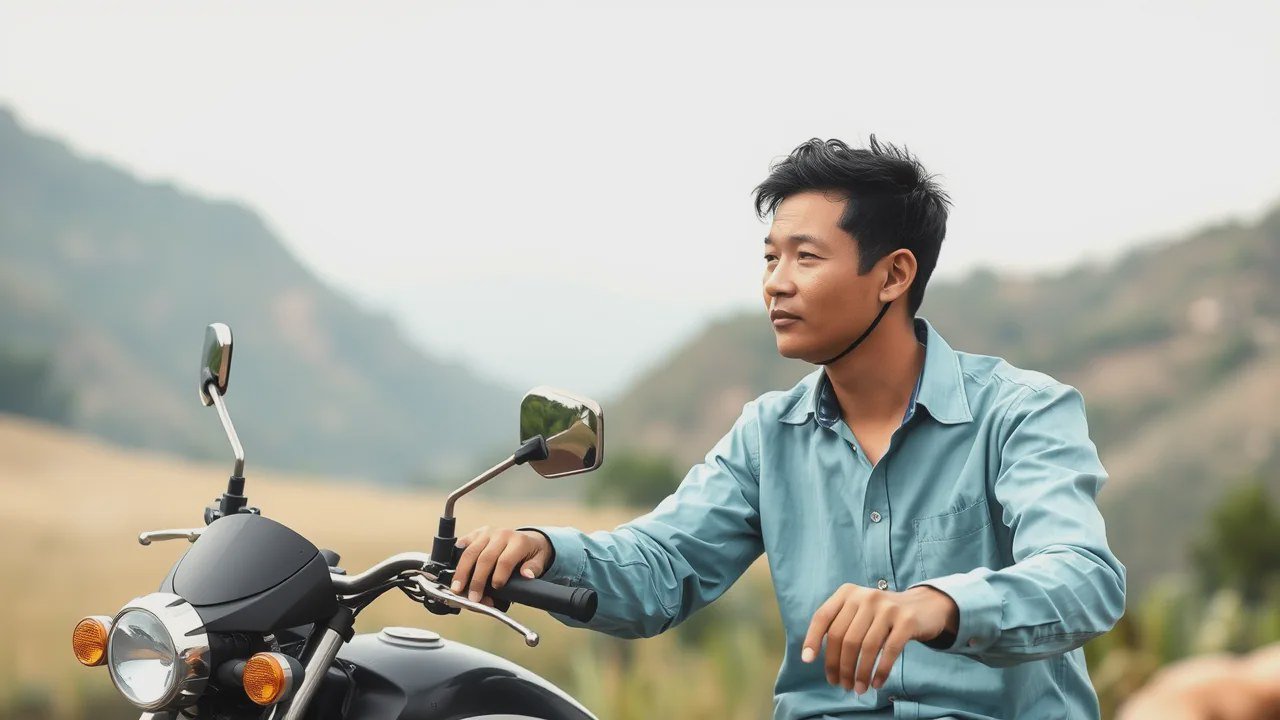

The question couples ask before booking
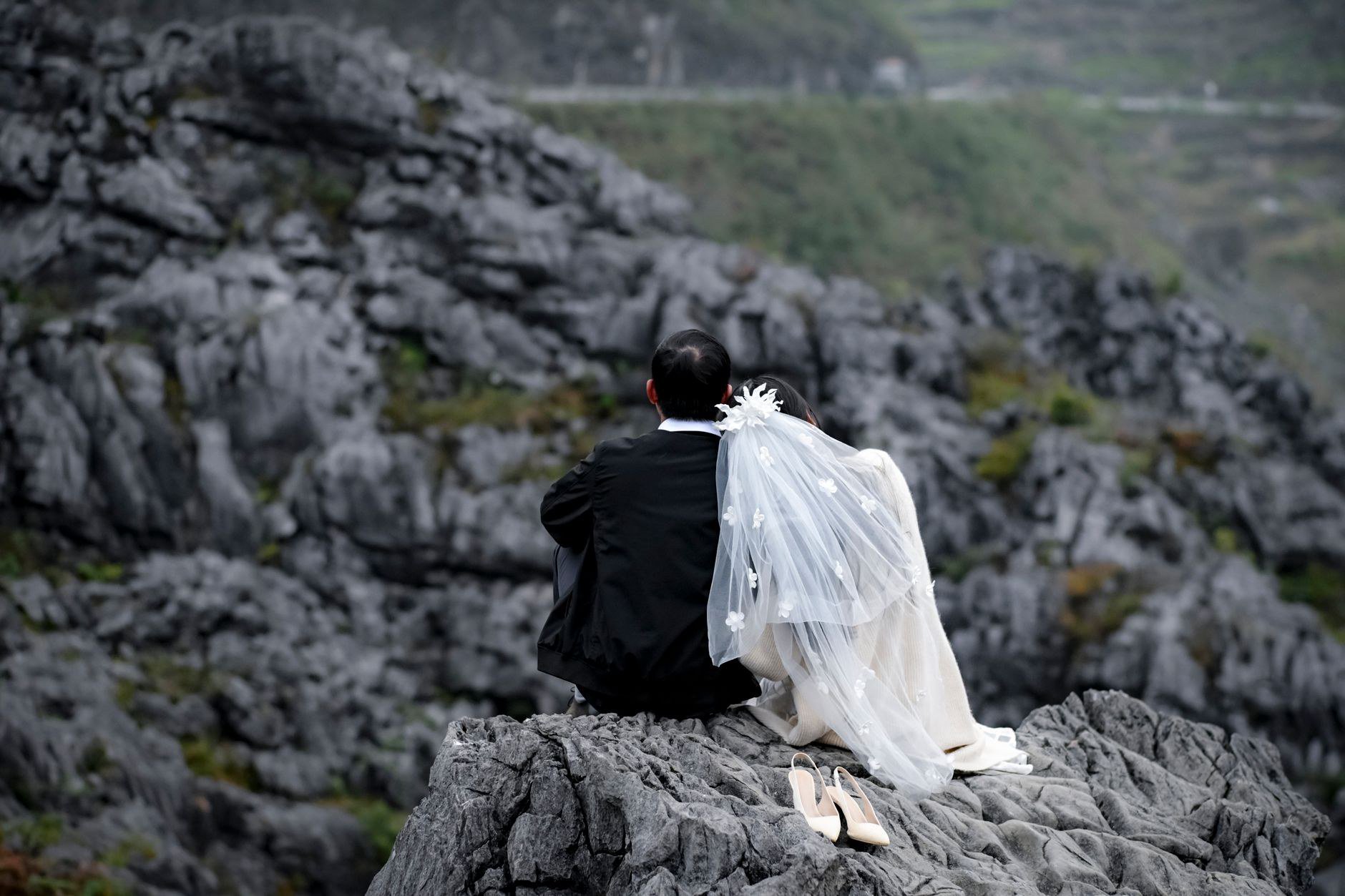
The Ha Giang Loop comes up constantly when gay male clients ask us about active trips together. Before routes or rental bikes, one question always comes first. Will we feel comfortable as a same-sex couple in rural Vietnam? It’s a fair thing to ask, and we take it seriously.
Our honest answer, after years of pointing couples toward this route, is simple. It’s generally welcoming, with more reserved manners once you reach the mountain villages. Nobody there is likely to say anything to you directly. People are simply more private about affection of any kind, gay or straight. That reserve is cultural, not hostile, and it changes how you carry yourselves for a few days, not the trip itself.
How Vietnam feels for LGBTQ travelers today
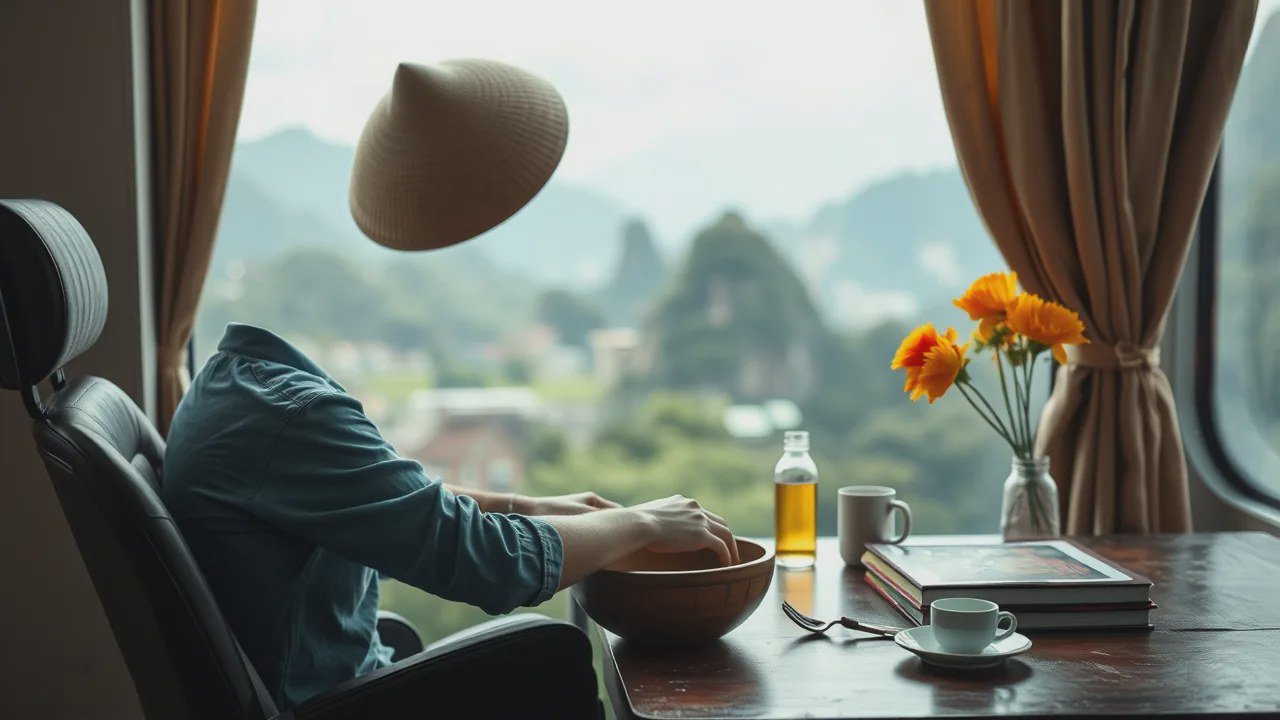
Vietnam’s cities and its highlands can feel like two different countries. Same-sex relationships are legal nationwide, and the old ban on same-sex wedding ceremonies was lifted back in 2015. Legal marriage between two men or two women still isn’t recognised there. In Hanoi, Hoi An or Ho Chi Minh City, gay and lesbian couples travel openly, drawing little more than a curious glance. It’s a relaxed environment by regional standards. That’s one reason this region stays on many gay travelers’ lists, alongside other countries known for welcoming LGBTQ visitors.
Head into the highlands around Ha Giang, and the tone shifts. This isn’t a hostile shift, more a quieter one. Public affection is uncommon there for any couple, straight or gay. Holding hands on a market street draws attention there, regardless of who you are. Locals in these villages tend to be conservative by custom, shaped by tradition rather than law. Most couples we’ve guided simply adjust their behaviour in public for a few days, then relax again once they’re back at the homestay.
What the Ha Giang Loop is and why couples love it
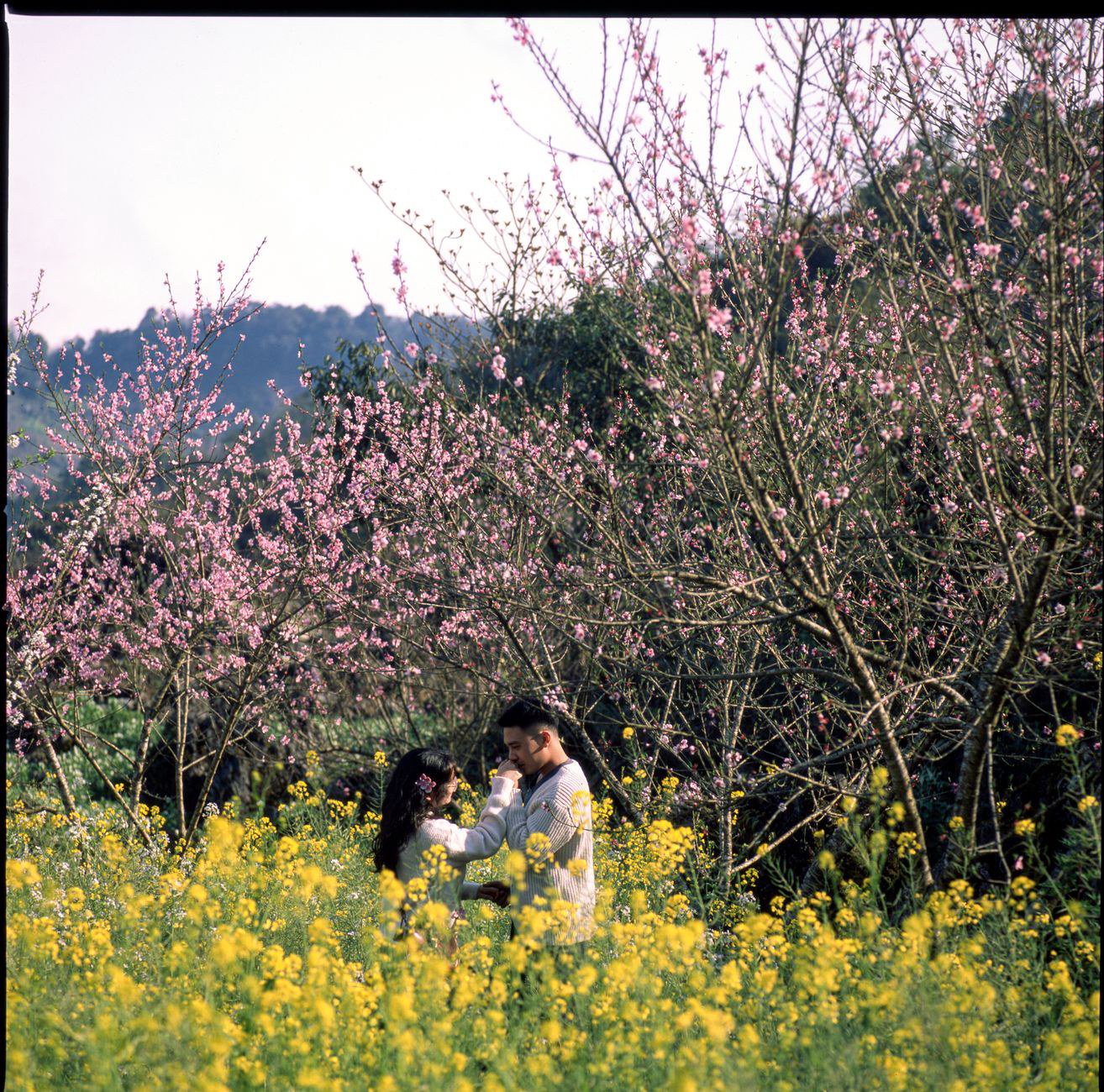
The Ha Giang Loop is a multi-day motorbike route through Vietnam’s far north. It covers roughly 350 to 400 kilometres of mountain passes, karst plateau and river canyon. Riders usually start from Ha Giang city. The route climbs through Quan Ba, past the Heaven’s Gate viewpoint, then over the Tham Ma pass toward Yen Minh. From there it passes the old H’Mong King’s palace at Sa Phin, before reaching the Lung Cu flag tower near the border. The road then runs through Dong Van’s old quarter and over the dramatic Ma Pi Leng pass. It drops down to Meo Vac, and four-day itineraries add a detour through Du Gia on the way back.
Couples tell us they love it for a simple reason: it forces real, offline time together. There’s no scrolling on a winding mountain road. You’re either riding, or you’re stopped somewhere taking in a view neither of you expected. It’s the kind of shared, demanding adventure that bonds a couple faster than a week on a beach. That’s part of why the route sits alongside other travel destinations worth exploring as a couple.
Booking rooms and homestays as a couple
Accommodation along the loop ranges from small hotels in towns like Dong Van to homestays built around a traditional wooden house. Many homestays offer a shared, dorm-style floor with mattresses laid out side by side. A handful also keep private rooms with a proper double bed. Private rooms sell out fastest, especially in peak season, so booking ahead matters more than people expect.
When you contact a homestay, ask plainly for a double room for two, the way any couple would. Owners are used to fielding all kinds of requests. They rarely ask follow-up questions about who’s traveling with whom. If a place only has dorm-style space left, call the next one on your list. A short, polite message in advance almost always solves this before it becomes an issue.
Riding together: one bike, two bikes or easy riders
Most couples default to one motorbike with a driver and a passenger, and that works fine on flatter stretches. The trouble starts on passes like Ma Pi Leng. Two-up riding adds weight, slows reaction time, and tires out both of you within a couple of hours. We’ve watched couples arrive at a homestay stiff, sunburnt and short-tempered after underestimating that climb together.
Splitting into two separate bikes solves the fatigue problem, if both of you are confident, licensed riders. If either of you isn’t, easy riders are the better call. An experienced local driver handles the bike while you sit behind and simply watch the scenery unfold. It’s a popular setup for couples who want the loop without the stress of steering through hairpin turns. For more on how that option usually works for two people traveling together, see the details of this easy rider tour.
Whichever setup you choose, book through an experienced local operator rather than piecing the loop together from random rental shops. A good operator briefs you on the route and matches drivers to your pace. They also know which homestays are genuinely couple-friendly, not just cheap. We usually point clients to the MRBIU website as a starting point for comparing how one established outfit structures the trip.
Safety, respect and local customs
Respecting local customs isn’t just polite here, it also keeps a trip smooth for both of you. A few habits go a long way in the villages you’ll pass through:
- Dress modestly at markets and around H’Mong or Tay communities, covering shoulders and knees where you can.
- Ask before photographing anyone, especially elderly residents or people in traditional dress at local markets.
- Keep public affection low-key outside the bigger towns, the same restraint any couple would show there.
- Carry small cash for entrance fees and tips, since card machines are rare this far from the cities.
None of this is about hiding who you are. It’s the same adjustment any traveler makes when visiting a culture that values privacy over public display. That kind of respect tends to earn warmer welcomes in return.
A relaxed three-to-four-day pace for two
Rushing the Ha Giang Loop into two days is possible, but we rarely recommend it for couples who want to enjoy each other’s company. A relaxed four-day version leaves room for sunrise over the Ma Pi Leng pass. It also allows a slow boat along the Nho Que River below it. A quiet, unhurried night in Du Gia rounds things off, away from the busier towns. A properly paced Mr Biu Ha Giang Loop itinerary spreads the ride across four days instead of three. That extra day matters more than it sounds once you’re actually on the bike.
Timing your trip also shapes its mood. Buckwheat flowers cover the hillsides around October and November. Blossoms take over from January through March, and both make a genuinely romantic backdrop. Heavy rain from June through August can bring landslides on the mountain roads. December through February turns cold enough at altitude that you’ll want real layers, not just a jacket. This is the kind of unhurried travel we generally recommend anyway. We’ve covered this in more detail elsewhere: see our case for taking a slower pace as a couple.
Budget planning for two
Costs on the loop vary mostly by how you choose to travel, not by who you’re traveling with. A guided tour or easy rider service tends to run higher per person than self-driving. It also removes the risk of an inexperienced rider crashing on a wet pass. Self-driving costs less upfront, but it asks more of your patience and your riding skill.
| Cost item | Rough range for two | What it depends on |
|---|---|---|
| Guided tour or easy rider, 3-4 days | Mid-range per couple, meals and driver included | Group size, vehicle, season |
| Self-drive rental plus fuel | Noticeably lower, before any mishaps | Bike condition, deposit terms |
| Homestays, 3-4 nights | Modest, usually with breakfast | Private room versus shared floor |
| Nho Que River boat trip | Small fixed fee per person | Shared boat versus a private one |
| Tips for drivers or guides | Optional, always appreciated in cash | Trip length, service quality |
Food along the route is inexpensive almost everywhere, and most homestays include a home-cooked dinner in the price. The one place we tell couples not to cut corners is the driver or guide. A rushed, underpriced operator on a pass like Ma Pi Leng is a false economy. Spend a little more there, and save on the room instead if a budget choice has to be made somewhere.
Frequently asked questions
Is this loop safe for LGBTQ travelers?
Physically, the main risks are the same for everyone: winding mountain roads, weather, and rider experience. Socially, most couples find it welcoming in towns and simply more private in villages, where discretion is the norm for any couple. We haven’t heard of targeted incidents from clients who’ve ridden it, though normal travel caution still applies.
Can same-sex couples share a room in homestays?
Yes, and it’s usually straightforward if you ask for a double room directly when booking. Private rooms are limited, so reserve early rather than arriving and hoping one is free. Owners are generally focused on your booking, not on questioning who you’re traveling with.
Do we need to hide our relationship on the road?
You don’t need to hide anything, though a little discretion in remote villages tends to make the trip smoother. Save hand-holding and affection for your hotel room, or the quieter stretches of road once you’re through the busier market towns. Most couples find this a small, temporary adjustment rather than a real limitation.
A trip like this rewards couples who plan a little and stay flexible about the rest. Pick your pace, choose an operator you trust, and let the mountains do the work of bringing you closer together.