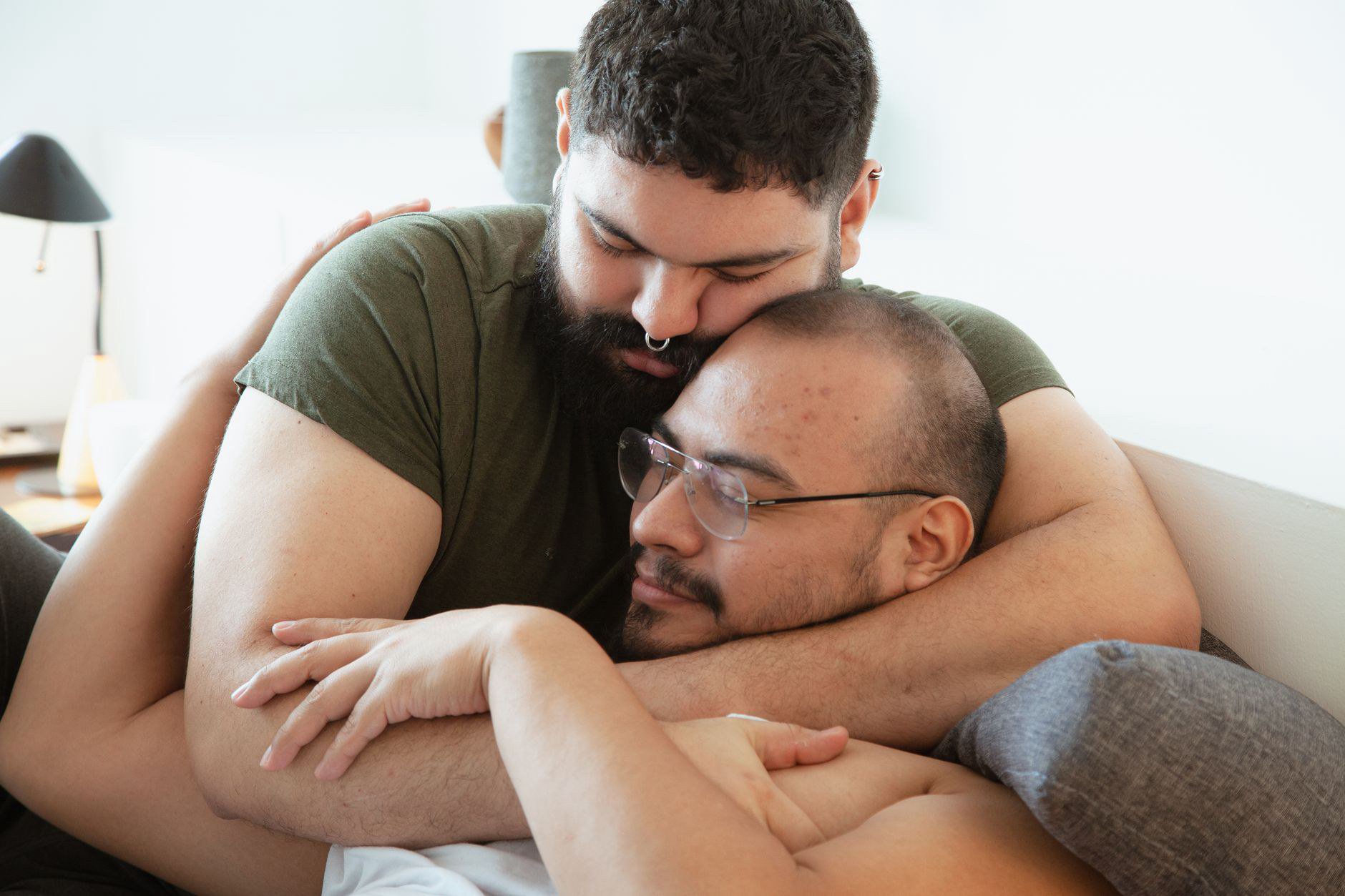

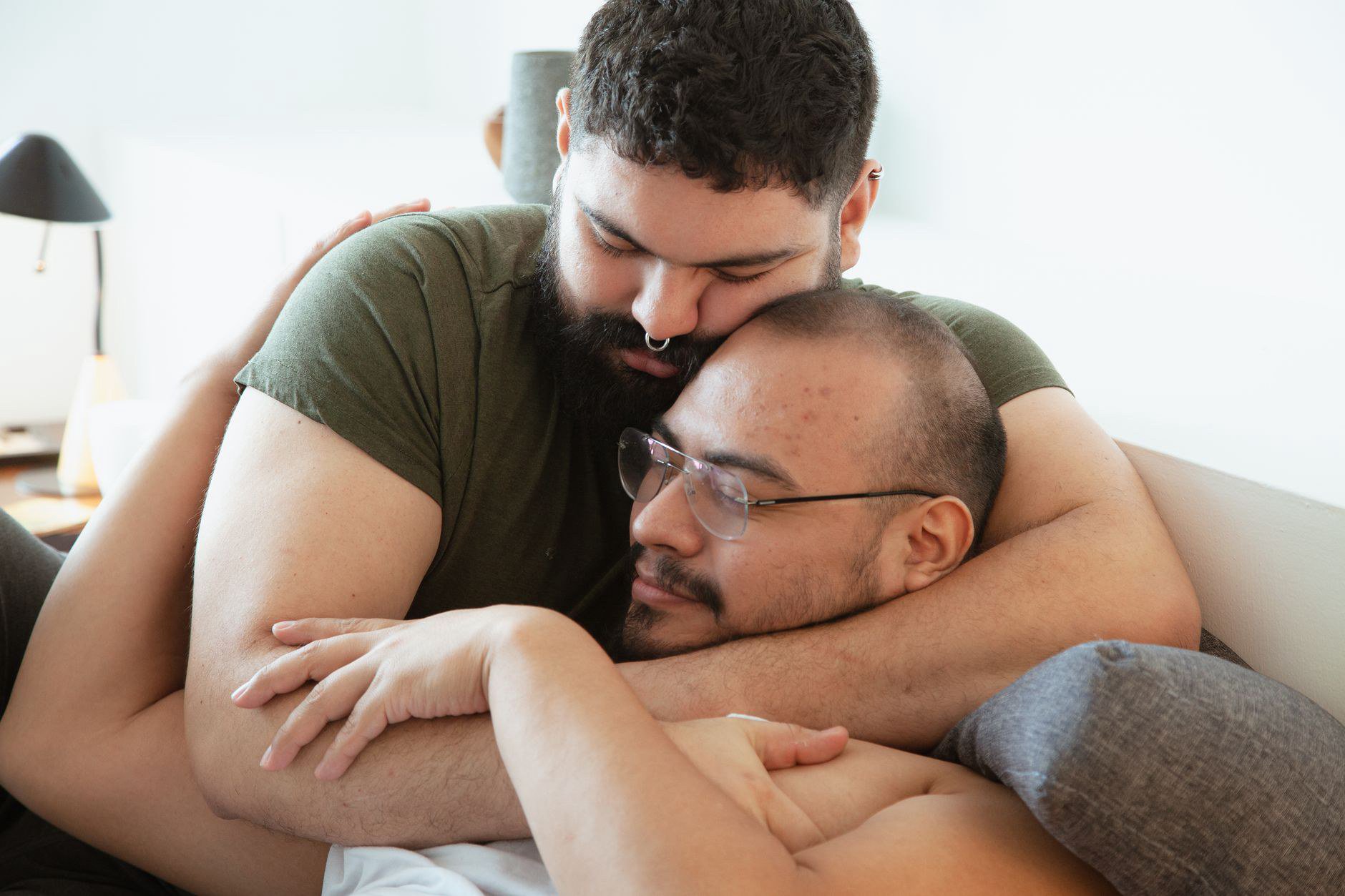
Navigating attachment styles gay relationships provides vital clarity for men seeking profound emotional intimacy. While dating dynamics often feel unpredictable, developmental psychology reveals consistent relational blueprints. By identifying your default attachment style, you can dismantle destructive patterns and cultivate enduring, reciprocal romantic bonds.
Understanding Attachment Theory in a Queer Context

Originally formulated by psychologist John Bowlby, attachment theory explains how early childhood bonds shape adult romantic expectations. For gay men, societal stigma, rejection, and closeted youth frequently compound these developmental experiences.
Growing up feeling fundamentally different can foster hyper-vigilance or profound emotional withdrawal. When romantic partnerships trigger subconscious fears of rejection, early defense mechanisms instinctively reactivate.
Holistic health practitioners, such as licensed therapists at integrative mental health and wellness care, emphasize that healing childhood emotional wounds is crucial for cultivating secure adult intimacy.
To examine how these subconscious triggers manifest in early dating, review our foundational breakdown on attachment styles 101 relationship patterns.
Recognizing that relationship anxieties stem from universal psychological adaptations removes shame from personal struggles, fostering self-compassion as you build romantic resilience.
When men understand that defensive behaviors represent self-preservation strategies formed during vulnerable formative years, compassion naturally replaces self-judgment during interpersonal conflicts.
The Four Core Adult Attachment Styles

Adult attachment falls into four primary categories, each defined by varying comfort levels with intimacy and autonomy:
1. Secure Attachment
Secure individuals view intimacy as safe and comforting. They communicate emotional needs directly, navigate disagreements without defensiveness, and offer genuine support when partners face adversity. They remain emotionally available while preserving healthy individual autonomy.
2. Anxious-Preoccupied Attachment
Anxious individuals deeply crave connection but live with persistent abandonment fears. They frequently over-analyze text messages, require constant external validation, and interpret minor shifts in partner energy as catastrophic threats. This hyper-activating strategy often exhausts their partners.
3. Dismissive-Avoidant Attachment
Avoidant individuals equate intimacy with a loss of personal independence. When relationships deepen, they retreat into work, physical isolation, or emotional detachment to self-soothe. They rely heavily on deactivating strategies to suppress relational vulnerability.
4. Fearful-Avoidant (Disorganized) Attachment
Fearful-avoidant individuals experience a turbulent push-pull dynamic. They crave closeness yet instinctively pull away when genuine intimacy develops, caught in conflicting survival instincts between fear of abandonment and fear of engulfment.
The Anxious-Avoidant Trap in Gay Dating

A classic dynamic within queer romance is the intoxicating yet destabilizing anxious-avoidant trap. An anxious partner interprets initial distance as a challenge to pursue harder, while an avoidant partner perceives pursuit as engulfment and pulls further away.
This cyclic push-pull mirrors familiar childhood emotional environments, mistaking nervous system activation for profound romantic passion.
Active communal engagement, such as participating in recreational sports and active lifestyle groups, provides vital external social grounding, preventing singles from hyper-fixating solely on romantic validation.
Outdoor recreation enthusiasts who enjoy winter athletics through outdoor adventure gear enthusiasts frequently note that regular physical hobbies release accumulated relational tension effectively.
Navigating modern apps with awareness is vital. Learn how to screen for emotionally available suitors by reading our guide on serious gay dating platforms.
Breaking this painful cycle requires conscious interruption. When the anxious partner refrains from pursuing and the avoidant partner resists the urge to flee, transformative emotional healing takes root.
Actionable Steps Toward Earned Security

Attachment styles are not rigid life sentences. Through deliberate self-inquiry and emotional retraining, individuals can cultivate earned security:
- Identify somatic triggers: Notice physical sensations—tightness in the chest or a knot in the stomach—before reacting emotionally to a partner.
- Practice self-soothing: Develop personal grounding rituals instead of demanding immediate reassurance during moments of anxiety.
- Communicate vulnerabilities directly: Replace accusatory statements with transparent expressions of personal needs and underlying feelings.
- Set firm emotional boundaries: Avoidant partners must learn to stay present during uncomfortable discussions rather than stonewalling.
- Expand emotional vocabulary: Clearly articulating secondary emotions like sadness or exhaustion reduces explosive reactive outbursts.
Couples struggling to dismantle stubborn relational gridlock can benefit immensely from structured mediation, as outlined in our overview of professional couples coaching benefits.
Cultivating Secure Communication in Daily Life
Transitioning toward security requires replacing passive testing behaviors with radical candor. When upset, state your experience clearly: “When plans change suddenly, I feel anxious. Can we check in tomorrow morning?”
Similarly, avoidant individuals can practice proactive communication: “I value our connection, but I need two hours of quiet reading time after work to recharge.”
Clear, non-defensive communication eliminates guesswork. When both partners feel safe expressing autonomy alongside intimacy, romantic trust flourishes naturally.
Regular emotional check-ins help couples address brewing resentments before they escalate into destructive arguments. Setting aside fifteen minutes weekly for honest dialogue keeps emotional channels transparent and healthy.
Building Relational Resilience for the Future
True intimacy requires courage to face personal insecurities alongside a supportive partner. While moving toward earned security takes dedicated effort, the emotional freedom it delivers is invaluable.
When partners commit to mutual growth, past wounds transform into sources of profound empathy. Couples learn to view conflicts not as threats to relationship survival, but as fertile opportunities for deeper mutual understanding.
Final Reflections on Growing Together in Love
Understanding attachment styles is not about labeling your partner or excusing destructive habits. It is a compassionate map illuminating how past survival strategies intersect with present desires for love.
By honoring your emotional needs, cultivating patience, and responding with empathy, you build a resilient foundation where both partners thrive in lasting, secure companionship.