


Straight answer: 10 practical lessons about gay-friendly travel that make trips smoother and safer for couples

Top 10 practical lessons about gay-friendly travel cover: researching local laws early, checking verified inclusive reviews, staying context-aware about public affection, keeping a backup communication plan, knowing embassy contacts, separating legal safety from cultural acceptance, budgeting for flexible cancellations, using community-vetted groups, carrying partnership documentation, and debriefing after each trip.
Each lesson applies differently depending on the destination and how experienced the couple is with international travel, so not every point carries the same weight for every trip.
Lesson 1: Research local laws before booking, not just after arriving
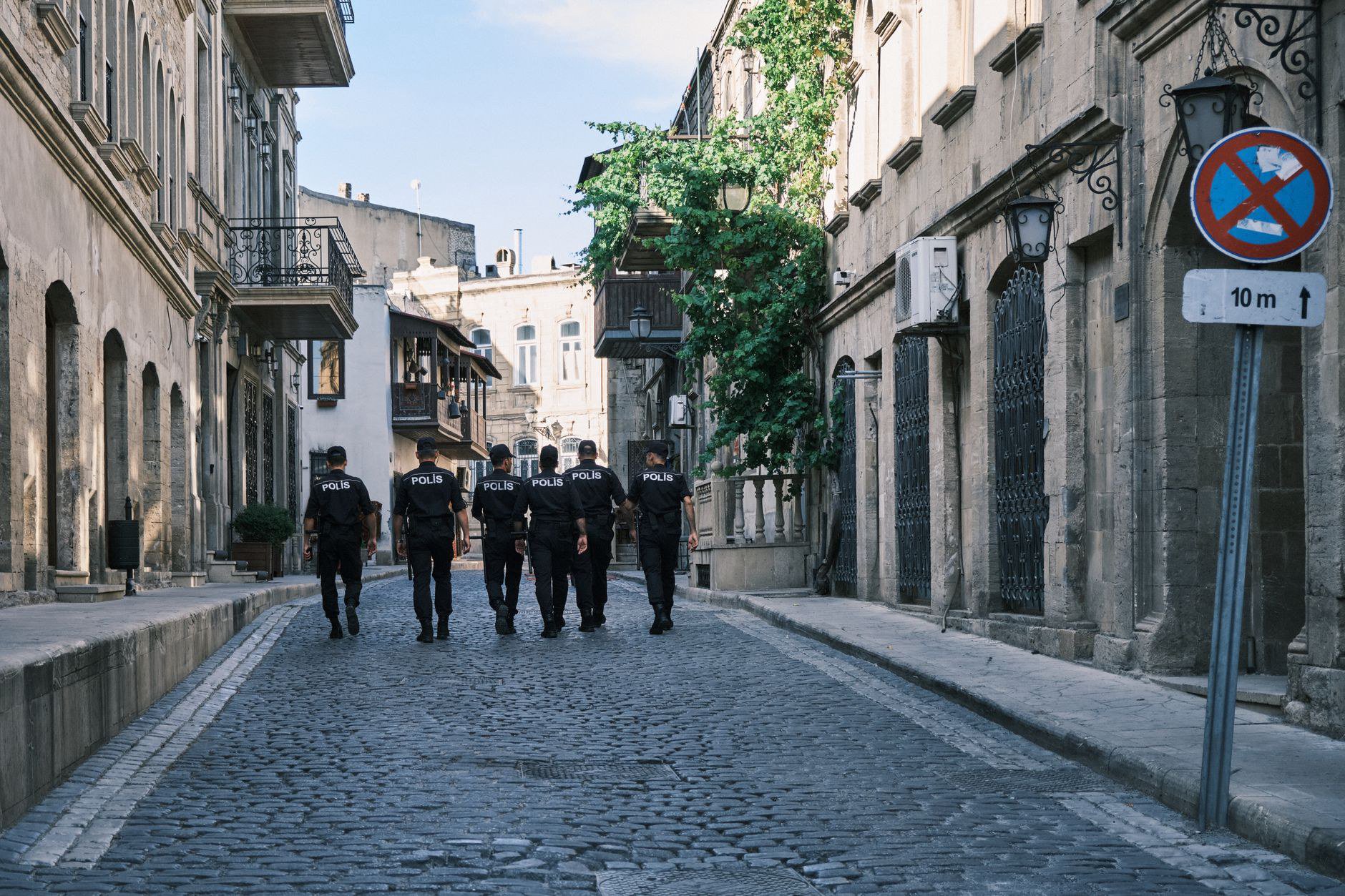
Check whether same-sex relationships are legally protected, tolerated, or criminalized in the destination country before finalizing any booking. This single step avoids the most serious risks a couple can face abroad.
This is best for couples planning international trips to countries they haven’t visited before. Limitation: laws can be inconsistently enforced even when officially decriminalized, so legal status alone doesn’t guarantee a fully comfortable experience on the ground.
Lesson 2: Choose accommodation with verified inclusive reviews, not just a rainbow logo
Look for recent guest reviews specifically mentioning staff attitude toward same-sex couples, not just marketing claims printed on a hotel’s website.
Couples who want to avoid awkward check-in moments or subtle discrimination during their stay will find this especially useful. Limitation: reviews can be outdated or inconsistent between branches of the same hotel chain, so it’s worth double-checking closer to the travel date.
Lesson 3: Be context-aware about public affection rather than following a fixed rule
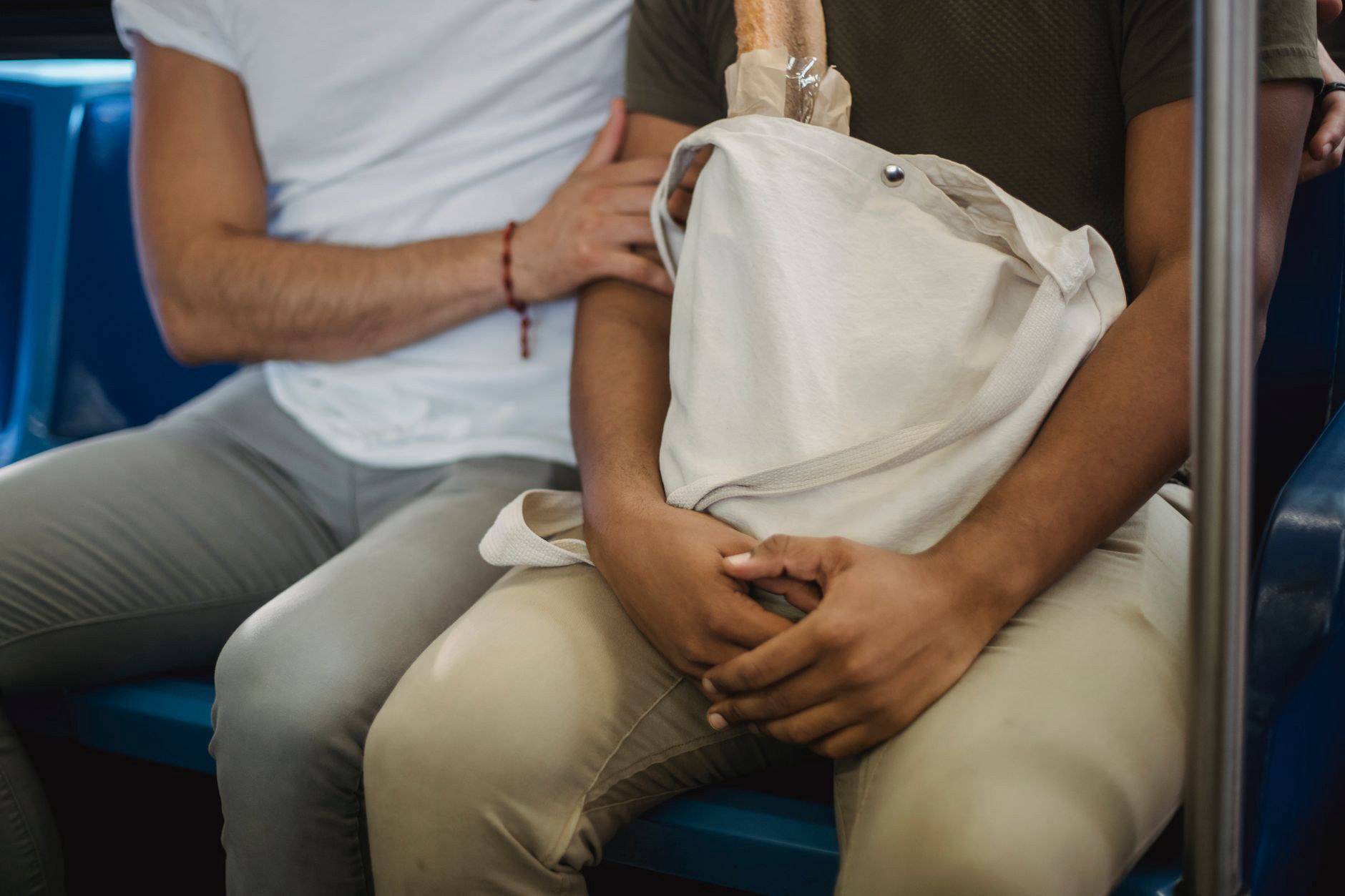
- Comfort levels vary widely between tourist zones, rural areas, and conservative regions within the same country.
- A gesture that feels natural in a major city center might draw unwanted attention just an hour outside it.
This applies most to couples visiting destinations with mixed cultural attitudes, where one city may be far more open than another. Limitation: it’s not always obvious from guidebooks alone which specific areas are safer, so local advice or recent traveler reports matter more.
Lesson 4: Keep a backup communication plan in case of connectivity issues
Have an offline way to reach each other and emergency contacts if local SIM cards or apps don’t work as expected once you land.
This is best for couples traveling to remote areas or countries with restricted app access. Limitation: backup plans add a bit of pre-trip preparation time, which some travelers may be tempted to skip until it’s too late.
Lesson 5: Know the relevant embassy or consulate contacts before departure
Save contact details for your home country’s embassy in the destination, in case legal or safety issues arise during the trip.
Couples traveling to countries with less predictable legal protections for same-sex relationships benefit most from this step. Limitation: embassies can offer limited practical help in some situations, so this is a safety net rather than a guaranteed solution.
Lesson 6: Separate “legally safe” from “culturally accepting” when shortlisting destinations
A country can be legally neutral but socially conservative, or legally restrictive but with accepting urban pockets. The list of the most LGBTQ-friendly countries to add to your travel list is a useful starting point for weighing both factors together instead of relying on one label.
This is best for couples who want a realistic picture rather than relying on a single legal status label. Limitation: this distinction requires more research than checking a simple safety list, and perceptions can vary between travelers.
Lesson 7: Budget extra for flexible cancellation options when plans might change
Choose bookings with free or low-cost cancellation in case local conditions or comfort levels shift after arrival at the destination.
This is best for couples traveling somewhere for the first time without firsthand reports from people they trust. Limitation: flexible options sometimes cost more upfront, so it’s a trade-off between price and peace of mind.
Lesson 8: Use community-vetted travel groups or forums for firsthand insight
Prioritize recent, specific accounts from other same-sex couples who’ve actually visited, over generic travel blog claims written for a general audience.
This is best for couples who want practical, ground-level detail that official tourism materials may not mention. Limitation: individual experiences can vary, so it helps to look for patterns across multiple reports rather than a single account. For a specific route worth checking firsthand accounts on, riding the Ha Giang Loop as an LGBTQ couple is one example of the kind of ground-level detail worth seeking out before departure.
Lesson 9: Carry documentation for any legal partnership status when relevant
Bring marriage or partnership certificates if they could matter for hospital visits, legal situations, or certain bookings during the trip.
Couples in a registered legal partnership traveling to countries where this status may need to be shown should treat this as a priority. Limitation: not all destinations recognize foreign partnership documents equally, so it’s worth checking specific requirements in advance.
Lesson 10: Debrief after each trip to refine the approach for the next one
Note what worked, what felt uncomfortable, and what information was missing before the next trip is planned, while the details are still fresh.
This is best for couples who travel internationally more than once and want to build a more reliable personal checklist over time. Limitation: this only helps future trips, not the current one, so it’s a long-term habit rather than an immediate fix.
Reference table: general comfort considerations by destination type
| Destination type | General comfort consideration | Note |
|---|---|---|
| Major international tourist hubs | Often more accepting due to diverse visitor base | Still varies by specific neighborhood |
| Rural or less-visited regions | Attitudes can be less predictable | Local, recent traveler reports are more reliable than general guides |
| Countries with restrictive laws | Requires extra caution regardless of tourist areas | Legal status should be checked directly, not assumed |
For couples weighing specific coastal destinations against this table, best gay beaches in the world for your next couples getaway offers a useful cross-reference before narrowing down a shortlist.
Common mistakes couples make when planning gay-friendly travel
Assuming a destination is safe simply because it’s popular with tourists in general, without checking specifics for same-sex couples, is one of the most common oversights.
Skipping research on local laws because a trip is booked through a general travel agency rather than checking independently is another mistake worth avoiding. For couples who prefer working with a specialist rather than a general agency, FlyPGA is worth looking into as an alternative booking route.
Before booking, it’s worth researching gay-friendly travel destinations that actually match your comfort level
Couples planning their next trip should take time to research gay-friendly travel destinations that genuinely match their comfort level and legal safety needs, rather than relying only on general travel rankings that don’t account for same-sex specific concerns.
What remains uncertain and worth verifying yourself
Local attitudes can shift over time, so information that was accurate a year ago may not fully reflect the current situation on the ground.
Individual experiences reported online may not represent every traveler’s reality, so cross-checking multiple recent sources is worthwhile before making a final decision. For couples who want to prepare emotionally as well as logistically before a trip that involves some uncertainty, Restoring Me 365 offers additional resources worth a look.
Frequently asked questions
How can couples tell if a hotel’s inclusive marketing actually reflects staff behavior?
Look for recent, specific reviews describing actual interactions with staff rather than general statements, and check if the same pattern holds across multiple review platforms.
Is it safer to book through a specialized gay travel agency or plan independently?
A specialized agency often has firsthand knowledge of specific properties and regions, which can reduce guesswork, though independent planning with careful research can work well too.
What should a couple do if they feel unsafe after arriving at a destination?
Prioritize moving to a safer location if possible, contact the embassy or consulate if needed, and avoid escalating any tense situation in public.
Are legal partnership documents useful even in countries that don’t officially recognize them?
They can still help in practical situations like hospital visits or hotel bookings, even without full legal recognition, so it’s generally worth carrying them regardless.